
Mining Buggy vs Traditional Transport Equipment: Which Is More Efficient?
Jun 21, 2026
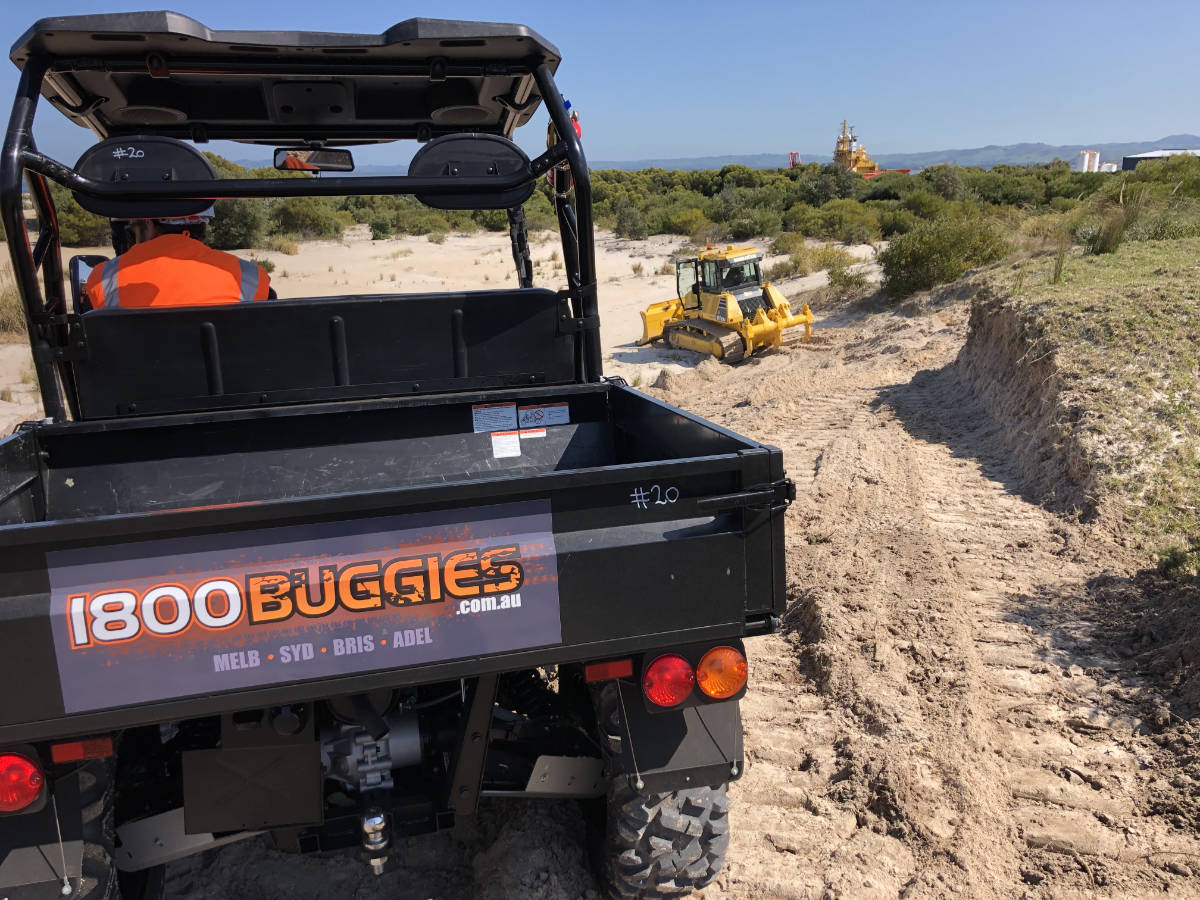
Most site managers don't realise the hidden cost of their transport decisions until it shows up in downtime reports. One operations supervisor on a Western Australian gold mine once told me that switching just one shift's personnel movement from a fleet of UTVs to a compact mining buggy saved nearly 40 minutes of lost productivity every single day. Over a 12-month project, that's weeks of wasted time quietly bleeding from the schedule.
So, which option genuinely delivers more for a modern mining operation — a purpose-built mining buggy or the traditional transport equipment that has anchored site logistics for decades? That's exactly what we're unpacking here. From mobility and energy costs to safety and the smart case for buggy hire, you'll leave with a clear picture of where each option earns its place and where it doesn't.
What Is a Mining Buggy?
A mining buggy is a compact, purpose-built vehicle engineered to move workers, tools, and materials across industrial and mining environments. Unlike conventional site vehicles, these machines are designed around the operational demands that would grind a standard UTV into the workshop within months.
Think of it this way — a mining buggy is to a standard utility vehicle what a trail bike is to a family sedan. Both technically get you from point A to point B. Only one was actually built for the terrain you're operating on.
Demand for mining buggies has grown sharply across Australian operations in recent years. Electric buggy Australia solutions have led much of that growth, driven by rising diesel costs and stricter emissions requirements on regulated sites. Operations that once relied entirely on trucks and light commercial vehicles are now integrating electric buggies into their transport mix — not to tick a compliance box, but because the performance case has become genuinely hard to dismiss.
Traditional Mining Transport and Buggy Hire
Walk onto most active mining sites today, and you'll still find the familiar lineup of utility vehicles (UTVs), light commercial trucks, and, on larger operations, heavy-duty transport vehicles purpose-built for mine logistics. These are the workhorses that have moved crews, supplies, and equipment across Australian operations for generations.
And they've earned their place. A well-maintained truck carries a substantial payload across open-cut terrain without complaint. UTVs handle most surface-level tasks reliably. Heavy transport vehicles manage the bulk movement that smaller equipment simply can't handle.
Here's the thing, though — traditional transport equipment was designed for a mining landscape that has been shifting fast. Underground operations are becoming more complex. Site footprints are tighter. Emissions and safety regulations are moving in one direction. And the cost of maintaining and fuelling diesel fleets keeps climbing year on year. Traditional equipment isn't going anywhere, but it's no longer the complete answer it once was.
Mining Buggy vs Traditional Transport Equipment
When you lay both options against real operational criteria, some clear differences emerge quickly.
Site Mobility and Terrain Accessibility
A mining buggy wins on manoeuvrability, and it isn't particularly close. Its compact design moves through underground tunnels, narrow haul roads, and congested surface areas that would stop a UTV or light truck. When you're managing a busy underground operation, the ability to get workers and tools through confined corridors without rerouting everything else on site is worth far more than most planning documents account for.
Operational Speed and Deployment Flexibility
Traditional vehicles move faster across open ground — no argument there. But speed on an open haul road rarely represents the real bottleneck. Getting personnel and equipment to the right location quickly in complex, congested site environments is. A mining buggy handles that challenge far more cleanly, with faster deployment, tighter turning, and no need to rethink infrastructure every time the site configuration changes.
Energy Consumption and Fuel Cost Reduction
This is where electric buggy options in Australia are genuinely changing the conversation. Electric buggies operate at a fraction of the cost per kilometre compared to diesel UTVs or light trucks. They produce zero exhaust emissions — a meaningful factor underground, where ventilation is already both a cost centre and a safety consideration. For sites working to reduce their environmental footprint without cutting productivity, the case for electric buggies has become difficult to argue against.
Financial Considerations: Costs and Long-Term Value
Purchase price alone doesn't tell the real story. A mining buggy typically carries a lower upfront cost than a heavy UTV or light commercial vehicle, but even that comparison misses the point. The genuine cost difference lies in maintenance, fuel, and unplanned downtime.
Diesel vehicles require more frequent servicing intervals, carry higher fuel costs, and suffer more wear and tear in demanding conditions. Electric buggies have fewer moving components, lower energy costs, and in many cases, longer service windows between maintenance events.
For operations without a permanent fleet requirement, buggy hire or buggies for hire offer a practical and financially sensible middle ground. Hiring provides access to modern, well-maintained equipment without committing capital, and the maintenance obligation stays with the provider, not your site team.
Safety Performance and Environmental Compliance Advantages
Safety on a mining site is never just a regulatory obligation; it's the difference between a productive operation and an expensive one. Mining buggies are built with lower operating speeds, integrated roll protection, and movement profiles that reduce the risk of accidents in high-traffic or confined areas. When you're moving personnel through a busy underground heading, that level of controlled, predictable movement matters more than speed ever could.
On the environmental side, the shift toward electric buggy solutions in Australia is accelerating for real, practical reasons. Lower emissions, quieter operation, and reduced fuel dependency make electric buggies a natural fit for sites facing environmental licensing conditions or community expectations around noise and air quality. Less noise also means meaningfully better communication between workers in operational zones — a safety benefit that rarely makes it into equipment spec sheets but shows up in near-miss reports.
Why Mining Sites Choose Buggy Hire
Not every operation needs to commit to owning a fleet. Buggy hire gives you flexibility, and flexibility has genuine financial value, particularly in situations like these:
- Temporary site expansions with short-term transport requirements
- Workforce surges that demand extra personnel movement capacity
- Projects with tight capital budgets where ownership isn't viable
- Trial periods before committing to a full fleet purchase decision
- Operations exploring electric buggy options before making a long-term investment
Buggies for hire also mean that the servicing, compliance checks, and maintenance responsibilities stay entirely with the provider. On a site already managing complex operations, that's one less moving part in your schedule.
Conclusion: Choosing the Right Transport Solution
The comparison between a mining buggy and traditional transport equipment doesn't yield a single universal answer. But for most modern operations, the evidence tilts clearly toward the buggy for day-to-day site mobility, safety management, energy efficiency, and operational flexibility. Traditional vehicles still play an important role, particularly for bulk surface haulage and large open-cut environments.
As electric buggy solutions continue to mature and hire options become more accessible, the question has shifted from whether to integrate a mining buggy into your transport strategy to when.
If your site moves people and equipment through tight, complex environments, exploring buggy hire can be a practical first step before committing to fleet ownership. Short-term hire arrangements allow operations to test performance, improve site mobility, and reduce operational pressure without major upfront investment.
For reliable mining buggy hire and tailored site transport solutions, 1800 Buggies offers purpose-built vehicles designed for demanding mining and industrial environments. Speak with the team at 1800 Buggies to explore flexible hire options and find the right transport solution for your next project.
FAQs
What is a mining buggy, and how is it used in mining operations?
A mining buggy is a compact vehicle designed to transport workers, tools, and materials across mining sites. It improves mobility, safety, and operational efficiency in underground tunnels, confined areas, and complex industrial environments where traditional transport equipment may struggle.
Are mining buggies more efficient than traditional transport equipment in mines?
Yes, mining buggies are often more efficient for daily site mobility. They offer better manoeuvrability, lower fuel or energy costs, reduced downtime, and improved access in confined mining environments compared to traditional transport vehicles like UTVs and light trucks.
What are the benefits of using electric buggy Australia solutions in mining sites?
Electric buggy Australia solutions reduce fuel costs, lower emissions, and operate more quietly than diesel vehicles. They also improve underground air quality, reduce maintenance requirements, and support mining operations aiming to meet environmental and workplace safety standards efficiently.
Is hiring a buggy a cost-effective option for mining projects?
Yes, buggy hire is a cost-effective solution for mining projects with temporary transport needs or limited capital budgets. Hiring reduces upfront investment, includes maintenance support, and gives mining companies access to modern vehicles without long-term ownership costs.
When should mining companies consider hiring buggies rather than purchasing vehicles?
Mining companies should consider hiring buggies for short-term projects, workforce expansions, trial periods, or when testing electric buggy solutions. Hiring offers flexibility, lowers financial risk, and allows operations to scale transport capacity without large capital commitments.